










 Hoffman Estates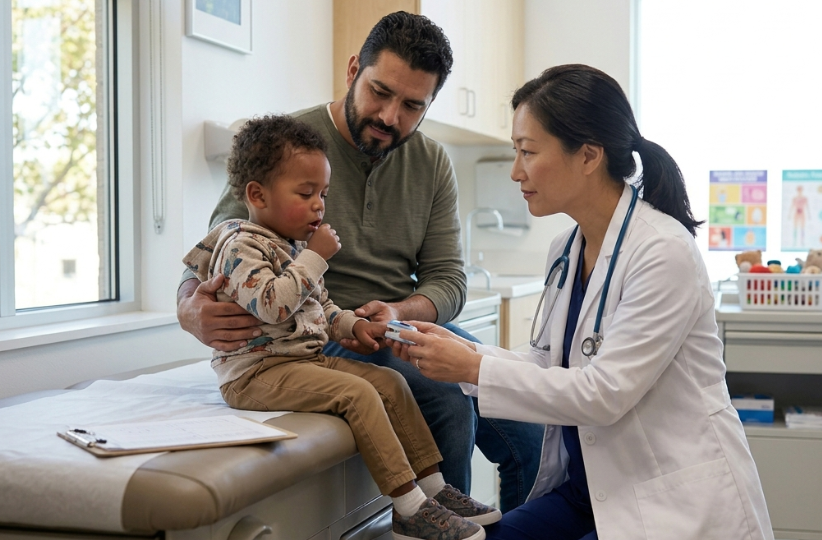
Children are more vulnerable to infections as their immune systems are still developing. While many childhood illnesses are mild and resolve on their own, some may require timely medical attention. Understanding the symptoms and knowing when to seek care can help parents make informed decisions.
At Newmed Immediate Care, we provide reliable health care services for children, ensuring quick diagnosis and proper treatment when it matters most.
What Are Common Childhood Illnesses?
Common childhood illnesses and symptoms often include infections affecting the respiratory system, digestive tract, or skin. These illnesses are usually caused by viruses or bacteria and spread easily in schools and daycare environments.
Most Common Childhood Diseases:
- Common cold
- Flu (influenza)
- Ear infections
- Stomach infections
- Hand, foot, and mouth disease
- Chickenpox
These childhood diseases are typically mild but can sometimes lead to complications if not managed properly.
Common Childhood Illnesses and Symptoms
Recognising early signs can help prevent worsening conditions.
Key Symptoms to Watch:
- Fever
- Cough or runny nose
- Sore throat
- Vomiting or diarrhea
- Skin rashes
- Fatigue or irritability
These are the most common childhood illnesses and symptoms parents notice during the early stages.
Causes of Childhood Illnesses
Children are more prone to infections due to:
1. Weak Immune System
Their immune system is still developing, making it easier to catch infections.
2. Close Contact Exposure
Schools and playgrounds increase exposure to germs.
3. Poor Hygiene Habits
Not washing hands regularly can spread bacteria and viruses.
When to Treat at Home
Most childhood illnesses can be managed at home with proper care.
Home Care Tips:
- Ensure adequate rest
- Keep your child hydrated
- Use doctor-recommended medications
- Monitor symptoms closely
Mild cases of childhood diseases usually improve within a few days.
When to Seek Medical Care
While many illnesses are minor, some symptoms require immediate attention.
Visit Urgent Care If:
- Fever lasts more than 2–3 days
- Persistent cough or sore throat
- Ear pain or unusual discomfort
- Vomiting or dehydration
Seek Emergency Care If:
- Difficulty breathing
- High fever (above 102°F)
- Seizures
- Unusual drowsiness or confusion
In such cases, timely health care services are crucial to prevent complications.
Role of Primary Care in Children’s Health
A trusted primary care provider plays a key role in managing your child’s overall health.
Benefits of Primary Care:
- Regular health checkups
- Vaccination tracking
- Early diagnosis of conditions
- Long-term health monitoring
Having a dedicated primary care provider ensures continuity of care and better health outcomes.
Prevention Tips for Childhood Illnesses
Preventing infections is always better than treating them.
- Encourage frequent handwashing
- Maintain proper hygiene
- Ensure vaccinations are up to date
- Provide a balanced diet
- Avoid contact with sick individuals
These steps can significantly reduce the risk of childhood diseases.
Why Early Care Matters
Ignoring symptoms can lead to complications such as infections spreading or worsening conditions. Early intervention through proper health care services ensures:
- Faster recovery
- Reduced risk of complications
- Better comfort for your child
Why Choose NewMed Immediate Care for Your Child’s Health Needs
At NewMed Immediate Care, we understand how important it is to address childhood illnesses quickly and effectively. Whether it’s a sudden fever, sore throat, or ear infection, our urgent care services offer same-day treatment to ensure your child gets the care they need without long ER wait times. With our experienced medical professionals and on-site diagnostics, we provide timely and reliable care for a range of common childhood conditions, helping your child recover faster and get back to feeling better.
Frequently Asked Questions
1. When should I take my child to urgent care?
If your child’s symptoms, such as fever lasting more than 2–3 days, persistent cough, ear pain, vomiting, or dehydration, aren’t improving, it’s best to visit NewMed Immediate Care. We provide timely treatment for non-life-threatening conditions that need quick attention but aren’t severe enough for the ER.
2. Can urgent care treat common childhood illnesses?
Yes, urgent care centres can treat the most common childhood illnesses such as cold, flu, ear infections, stomach infections, and minor injuries. They provide quick diagnosis and treatment without long wait times.
3. Is urgent care better than the emergency room for kids?
For conditions that aren’t life-threatening, urgent care is generally a better option. It offers faster care and lower costs than the emergency room. However, for serious symptoms like breathing difficulty, seizures, or severe trauma, the ER is the appropriate choice.
Final Thoughts
Most childhood illnesses are manageable, but knowing when to act makes all the difference.
- Mild symptoms → Treat at home
- Persistent symptoms → Visit urgent care
- Severe symptoms → Seek emergency help
With the right guidance and support from primary care providers, you can ensure your child stays healthy and protected.




 View Insurance & Pricing
 Pay My Bill
; ?>)


 Book Appointment